

Ridge Tiles, Valleys and Flashing: The Small Repairs That Prevent Big Leaks
Most roof leaks do not come from the tiles in the middle of the slope. They come from the joints — the ridge, the valleys where two slopes meet, and the flashing where the roof meets a chimney or wall. These are small, cheap repairs when caught early and expensive interior damage when left.
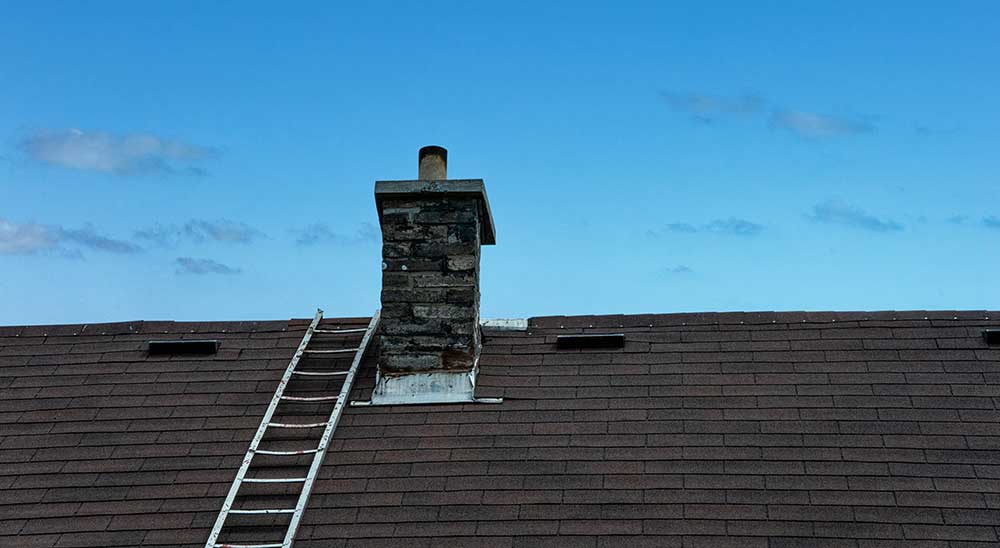
The weak points
Ridge and hip tiles bedded in cracking mortar. Valleys blocked with debris or with split lead. Lead flashing that has lifted, cracked or been pointed over badly. Sort these three and you have dealt with the causes of most pitched-roof leaks.
Ridge and hip tiles
Traditionally bedded in mortar, which dries out, cracks and lets go — and in a strong wind a loose ridge tile becomes a hazard. The fix is to re-bed the loose tiles, or better, to strip the ridge and re-lay it as a dry ridge system: the tiles are mechanically clipped to a batten with a ventilated union, so there is no mortar to fail and the ridge is ventilated at the same time. Re-pointing is cheaper short-term; dry ridge is the permanent answer.
Valleys
The valley is the channel where two roof slopes meet and it carries a lot of water. Lead valleys crack and split with thermal movement, especially where the lead runs too long without a joint. Fibre or GRP valleys crack with age. And any valley fills with leaves and moss and then overflows sideways under the tiles. Clearing them is routine maintenance; a split or worn valley needs re-lining in new lead or a modern valley system.
Lead flashing
Flashing seals the joint where the roof meets something vertical — a chimney, a parapet, an abutment wall where an extension roof meets the house. Lead lifts out of the mortar joint it is tucked into, cracks along a fold line, or has been “repaired” with a smear of mastic that fails within a year. Proper repair means re-dressing or renewing the lead in the correct code, chased back into the brickwork and re-pointed. It is one of the most common leaks we trace and one of the cheapest to put right early.
Frequently Asked Questions
How much does it cost to re-point a ridge?
Re-bedding or re-pointing loose ridge tiles is often £15 to £30 per metre plus access. Converting the ridge to a dry system is more per metre but does not need doing again and adds ventilation.
Why does my roof only leak in heavy or driving rain?
That is the signature of a flashing or valley fault. In light rain the water runs straight off; in wind-driven or heavy rain it is forced sideways and upward past a lifted flashing or a blocked valley.
Can I seal a roof leak with mastic or flashing tape?
It might buy a few weeks, but it usually fails and it makes the proper repair messier. Self-adhesive flashing tape over old lead is a common bodge we end up removing. Get the lead re-dressed or renewed properly.
How often should valleys be checked?
Once a year, ideally in autumn, along with the gutters — that is when leaves and debris build up and cause the overflow that leads to a leak.
Related Reading
Common causes of roof leaks
Read moreThe faults we trace most often.
What happens if you ignore a roof leak?
Read moreWhy small leaks get expensive fast.
How much does roof repair cost in the UK?
Read moreRealistic UK costs by job type.
Roof repair vs roof replacement
Read moreDeciding between a repair and a full re-roof.

Leak You Cannot Pin Down?
We trace roof leaks to the actual fault — ridge, valley or flashing — and fix the cause, not the symptom, across Merthyr Tydfil and the valleys. Call 07952 811592.